News

How Does an LED Flashlight Deliver Reliable Illumination for Everyday and Outdoor Use?

2026-08-25 0 Leave me a message

Article Summary: An LED flashlight is more than a portable light source. For outdoor activities, emergency preparedness, maintenance work, security applications, and everyday use, the right flashlight must provide dependable brightness, practical battery performance, durable construction, and comfortable operation. This guide explains the key factors that determine LED flashlight performance and shows how buyers can select a model that matches their actual lighting requirements. It also examines beam design, power options, waterproof protection, materials, durability, and customization considerations for businesses sourcing flashlights in bulk.

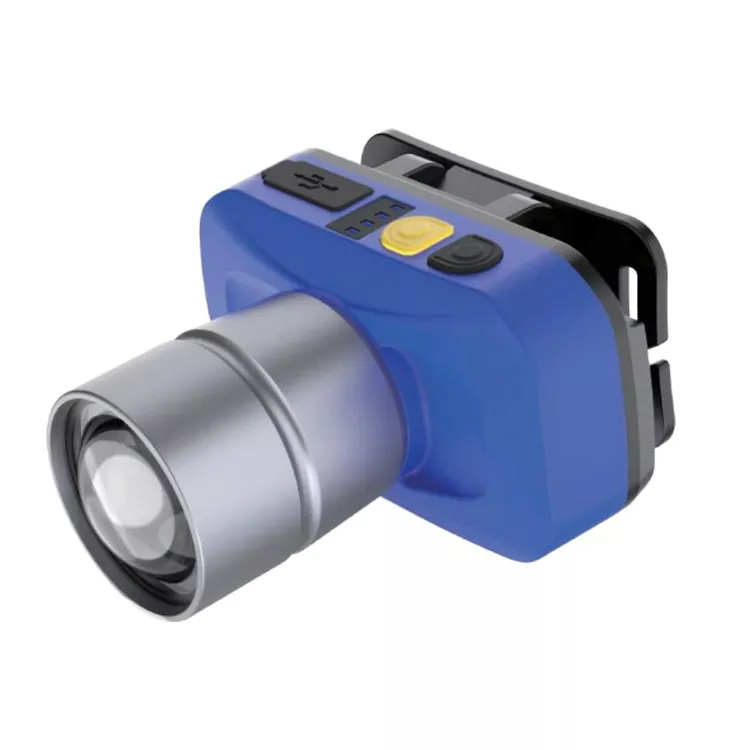
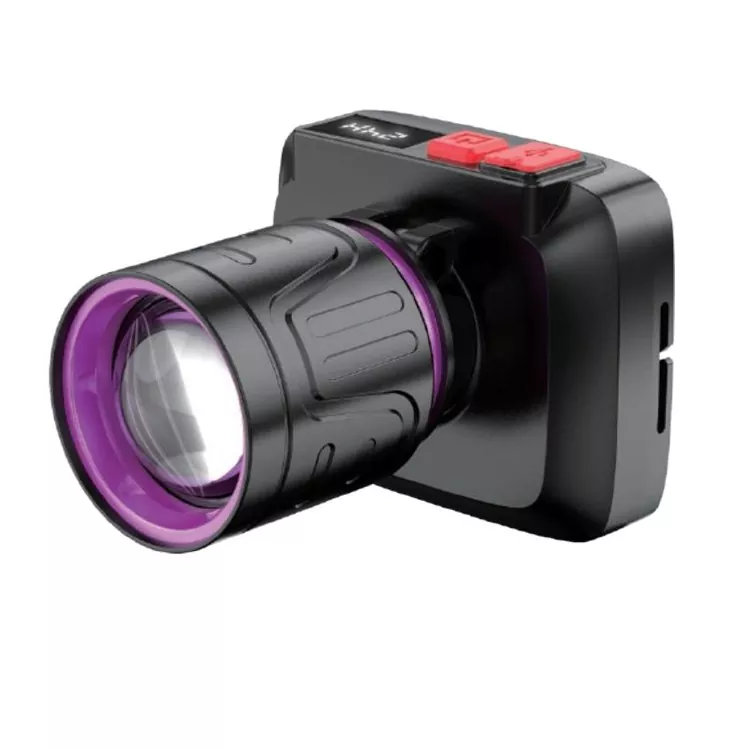
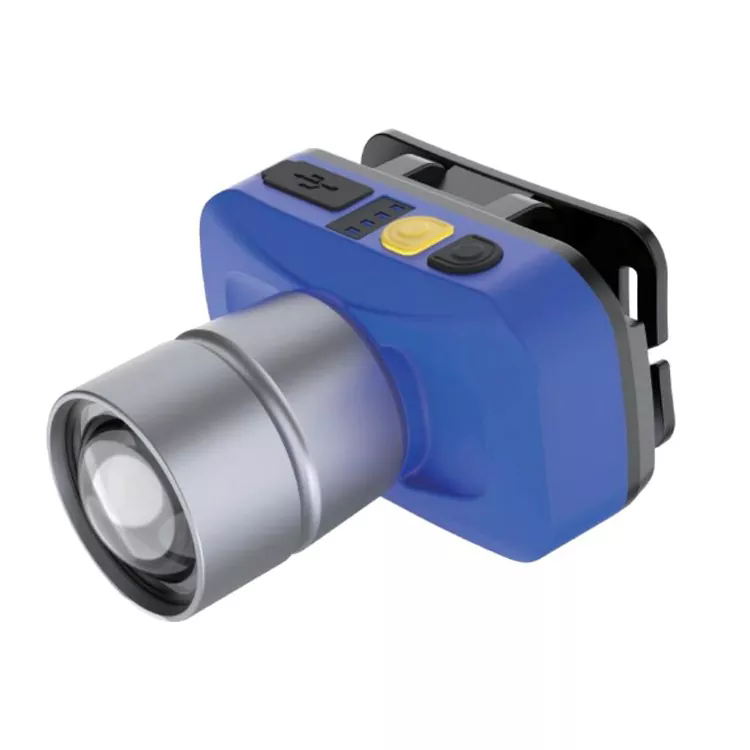
Zoomable Rechargeable LED Headlamp for Spotlight and Floodlight

Table of Contents


Article Outline

  1. Learn how LED flashlights generate practical portable illumination.
  2. Understand the relationship between LED efficiency, brightness, beam pattern, and battery life.
  3. Identify the construction features that influence durability and outdoor performance.
  4. Match flashlight specifications with camping, emergency, security, maintenance, and daily-use requirements.
  5. Evaluate battery systems, charging methods, waterproof protection, materials, and ergonomics before purchasing.
  6. Understand what businesses should consider when sourcing LED flashlights for wholesale, private-label, OEM, or ODM projects.

Understanding the LED Flashlight

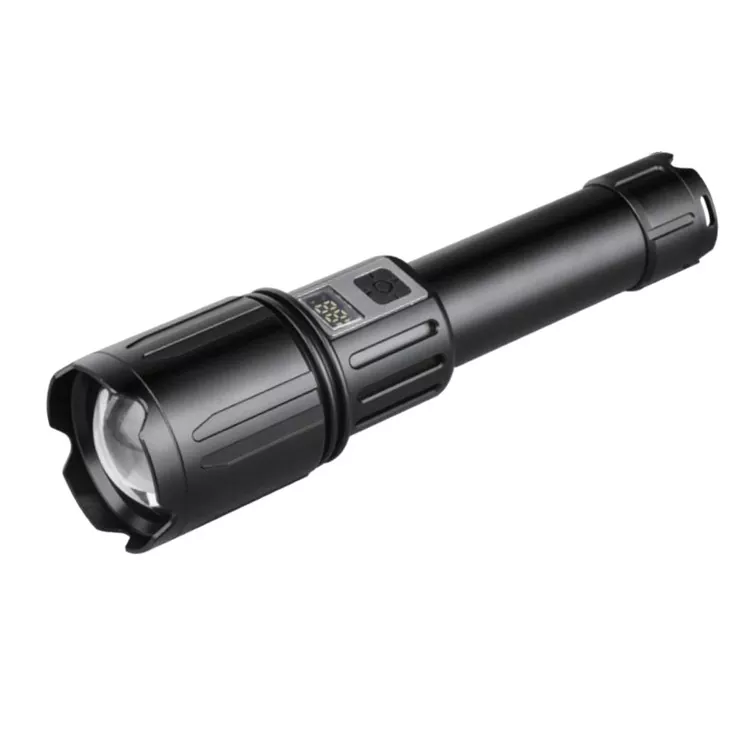
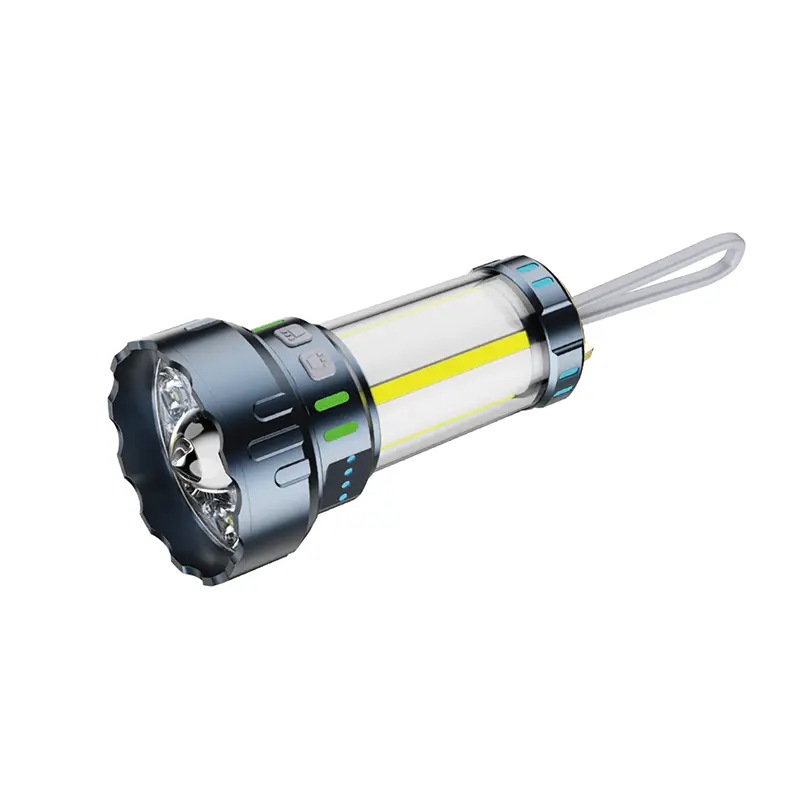
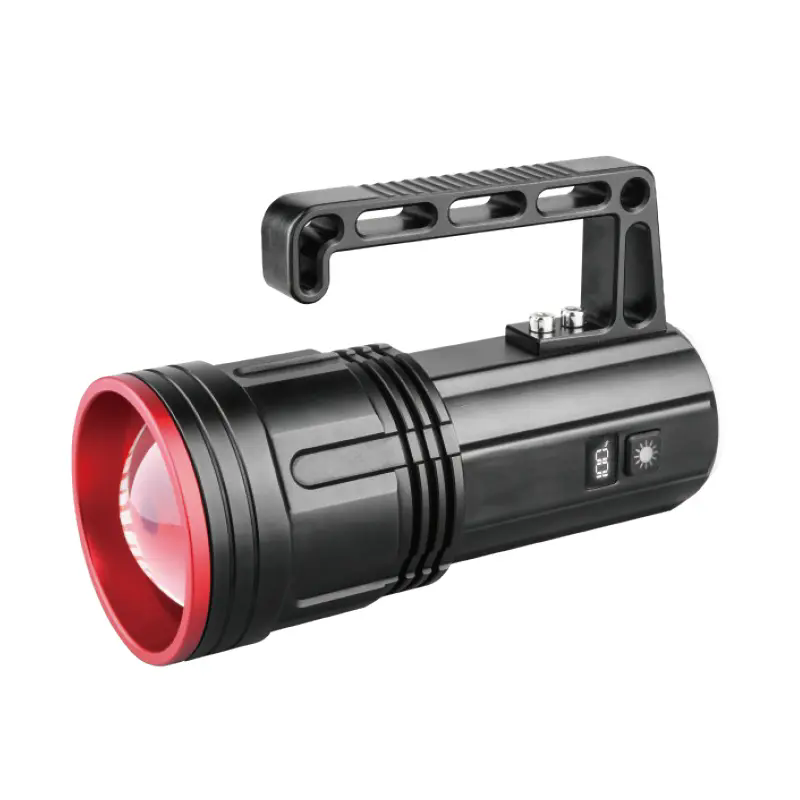
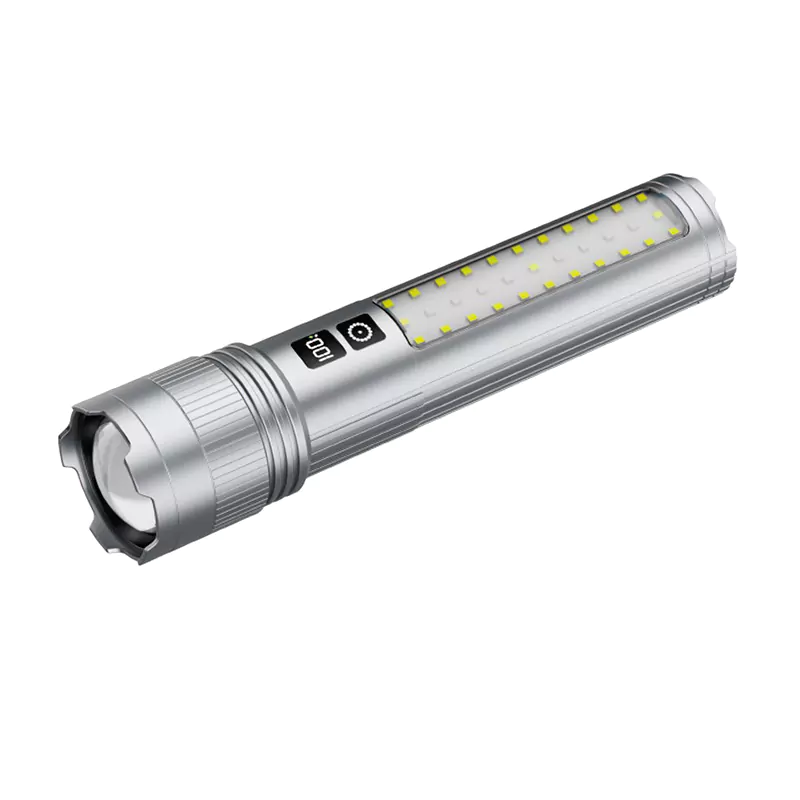
An LED flashlight is a portable lighting device that uses a light-emitting diode as its primary light source. Compared with older incandescent flashlight technologies, LED-based designs can provide strong illumination in a compact package while supporting a wide range of applications.

The basic structure is relatively simple, but the quality of the final flashlight depends on how its components work together. The LED, optical system, reflector or lens, battery, driver circuit, housing, switch, and thermal management system all influence the user's experience.

A flashlight with a powerful LED is not automatically the best flashlight. Excessive brightness without effective heat dissipation can reduce efficiency and comfort. Likewise, a high-capacity battery is not useful if the electronics cannot manage power effectively. A well-designed product balances brightness, runtime, beam quality, durability, size, and usability.

This balance is particularly important for professional buyers. Wholesalers, outdoor brands, distributors, and e-commerce sellers need products that perform consistently across multiple production batches rather than simply looking impressive on a specification sheet.


How LED Technology Improves Flashlight Performance

The LED is the heart of an LED flashlight. It converts electrical energy into visible light through a semiconductor process. Modern LED flashlight designs can therefore achieve substantial illumination from a relatively compact power system.

One of the most important advantages of LED technology is design flexibility. Manufacturers can combine different LED configurations, optical structures, batteries, and control circuits to create products for different usage scenarios.

  • Efficient illumination: LEDs can provide substantial light output without requiring a large incandescent bulb.
  • Compact construction: The small size of LED components allows manufacturers to develop portable flashlight bodies.
  • Long service potential: LEDs generally have a long operating life when properly driven and thermally managed.
  • Flexible beam design: Optical components can be engineered for focused, broad, or adjustable illumination.
  • Multiple power configurations: LED flashlights can be designed around disposable or rechargeable batteries.

However, LED performance is not determined by the diode alone. The driver circuit controls the electrical input, while the housing and thermal pathway help manage heat. Optical components then determine how the available light is distributed.

For this reason, buyers should evaluate the flashlight as a complete system rather than choosing a product based solely on a lumen figure.


Key Factors That Determine LED Flashlight Performance

When selecting an LED flashlight, several technical and practical factors should be evaluated together.

Brightness

Brightness is one of the first specifications buyers notice. However, a higher stated lumen output does not necessarily mean better real-world visibility. Beam concentration, optical efficiency, LED quality, and operating conditions all influence how useful the illumination is.

For close-range household tasks, moderate output may be sufficient. Outdoor search, security, and professional applications may require stronger illumination and a more concentrated beam.

Runtime

Runtime determines how long a flashlight can operate before the battery requires replacement or recharging. Actual runtime depends on the battery capacity, LED power, driver efficiency, operating mode, and temperature.

A flashlight intended for emergencies should prioritize dependable operating time rather than maximum brightness alone. Multiple brightness modes can also help users extend runtime when full output is unnecessary.

Beam Distance and Pattern

A focused beam is useful when users need to illuminate a distant object, while a wider beam can be more practical for walking, maintenance, camping, and close-range work.

Some flashlight designs provide adjustable focus, allowing users to change the beam according to the situation. This can increase versatility without requiring multiple lighting products.

Size and Weight

A flashlight should be powerful enough for its intended task without becoming unnecessarily bulky. Compact models are convenient for pockets, emergency kits, vehicles, and everyday carry, while larger models may provide additional battery capacity and stronger thermal performance.

Operating Interface

Switch placement and control logic can significantly affect usability. A switch should be easy to operate while wearing gloves or working in low-light conditions. For professional users, simple and predictable controls are often more valuable than complicated interfaces.


How Beam Design Affects Practical Lighting

The beam is the visible result of the LED and optical system working together. Two flashlights with similar light output can produce very different lighting experiences because their reflectors, lenses, and beam geometry are different.

Beam Type Main Characteristic Suitable Applications
Focused Beam Concentrated illumination over a longer distance Search, security, outdoor observation
Wide Beam Broad coverage over a nearby area Camping, walking, maintenance
Adjustable Beam Allows users to change beam coverage Multi-purpose outdoor and emergency use

For buyers, the important question is not simply how bright the flashlight is, but where that light needs to go. A well-matched beam pattern can improve visibility without requiring unnecessary power consumption.


Choosing the Right Battery and Power System

The power system directly affects convenience, runtime, operating cost, and product positioning. LED flashlights commonly use disposable batteries, rechargeable lithium-based batteries, or other rechargeable power configurations depending on the design.

Rechargeable flashlights are particularly convenient for users who operate their lights frequently. USB charging can reduce the need to carry separate chargers and can make the product easier to integrate into modern outdoor and emergency equipment.

For wholesale buyers, battery configuration should also be considered from a logistics and market perspective. Different countries and sales channels may have different requirements for battery products, packaging, transportation, and documentation.

  • Consider the expected frequency of use.
  • Compare runtime rather than battery capacity alone.
  • Check charging convenience for rechargeable models.
  • Evaluate battery replacement availability for disposable-battery products.
  • Consider transportation and packaging requirements when sourcing rechargeable products.

Why Construction and Protection Matter

A flashlight can be exposed to drops, vibration, moisture, dust, temperature changes, and repeated handling. Consequently, housing construction is an important part of product reliability.

Aluminum alloy is widely used in durable flashlight designs because it combines relatively low weight with good mechanical strength. Proper surface treatment can further improve resistance to everyday wear and help maintain the appearance of the product.

Water and dust protection are equally important for outdoor products. An appropriate ingress-protection design can help protect internal electronics when the flashlight is exposed to rain, splashes, or dusty environments. The exact protection level should always be matched to the intended application rather than assumed from the product category alone.

Thermal management should also be considered. High-output LEDs generate heat during operation. A suitable housing and internal thermal pathway can help transfer heat away from the LED and electronics, supporting stable performance during extended use.


Common LED Flashlight Applications

The versatility of LED technology makes flashlights useful across consumer, commercial, and professional environments.

  • Camping and hiking: Portable illumination helps users navigate trails, campsites, tents, and equipment after dark.
  • Emergency preparedness: Flashlights can provide essential illumination during power interruptions and unexpected situations.
  • Vehicle emergencies: A compact flashlight can assist with nighttime inspections, roadside maintenance, and equipment checks.
  • Home maintenance: Focused illumination is useful when working in cabinets, crawl spaces, garages, and other poorly lit areas.
  • Outdoor recreation: Fishing, hunting, travel, night walking, and other activities often require portable lighting.
  • Security applications: High-output or focused-beam models can support nighttime inspection and observation.
  • Industrial work: Durable flashlight designs can provide supplemental illumination during maintenance and inspection tasks.

How Buyers Can Select the Right LED Flashlight

Choosing a flashlight becomes easier when the purchasing process begins with the intended application rather than a single specification.

  1. Define the application. Determine whether the flashlight will be used indoors, outdoors, professionally, recreationally, or for emergency preparedness.
  2. Determine the required beam. Decide whether the priority is long-distance projection, broad area lighting, or adjustable coverage.
  3. Set a practical brightness range. Avoid paying for unnecessary output if the product is intended mainly for close-range use.
  4. Evaluate runtime. Consider how long the product needs to operate during a typical use cycle.
  5. Select the power system. Compare rechargeable convenience with the simplicity of replaceable batteries.
  6. Check construction. Evaluate housing material, switch design, sealing, impact resistance, and thermal management.
  7. Consider ergonomics. The flashlight should be comfortable to hold and easy to operate.
  8. For bulk purchasing, evaluate the supplier. Manufacturing capability, inspection procedures, customization options, production stability, and communication are important factors.

LED Flashlight Selection Comparison

Requirement Recommended Characteristics Primary Consideration
Everyday Carry Compact body, moderate output, simple controls Portability
Camping Reliable runtime, outdoor protection, comfortable grip Durability and battery life
Emergency Use Reliable power system, durable construction, simple operation Dependability
Search and Security High output and focused beam Distance and illumination
Professional Work Robust housing, stable output, practical controls Long-term usability
Wholesale and Private Label Stable production, customization, inspection, packaging options Supply-chain consistency

Why Consider Forest Tiger for LED Flashlight Supply

For companies sourcing LED flashlights for wholesale, distribution, private-label sales, or customized projects, supplier capability can be just as important as the product specification.

Forest Tiger is a China-based LED flashlight manufacturer with production operations in Ningbo. The company provides aluminum alloy flashlights, rechargeable high-output models, tactical designs, waterproof outdoor products, and emergency lighting solutions.

According to its product information, Forest Tiger supports OEM and ODM projects, including customized logos, packaging, and private-label lighting solutions. Its manufacturing system includes aluminum alloy machining, plastic injection molding, flashlight assembly, and product testing, allowing multiple production processes to be managed within its manufacturing operation.

This type of integrated capability can be valuable for buyers who need more than an off-the-shelf flashlight. Instead of treating customization as an afterthought, buyers can discuss product structure, appearance, packaging, branding, and production requirements with a manufacturer from the beginning.

Forest Tiger also states that its LED flashlight production uses incoming-material checks, in-process testing, and final inspection. The company lists CE and RoHS compliance for its products and serves buyers across multiple international markets.

For importers and brands, the practical advantage is consistency. A reliable supplier should be able to communicate clearly about specifications, samples, production schedules, quality requirements, packaging, and customization before mass production begins.


How to Maintain an LED Flashlight

Even a durable flashlight benefits from proper maintenance. Simple habits can help preserve performance and reduce avoidable failures.

  • Keep the lens clean so dirt does not reduce useful light output.
  • Inspect the battery compartment periodically for contamination or corrosion.
  • Use the correct battery type specified for the flashlight.
  • Follow the manufacturer's charging instructions for rechargeable models.
  • Do not expose the product to conditions beyond its specified protection level.
  • Check seals, switches, and external components after heavy outdoor use.
  • Store the flashlight in a dry environment when it will not be used for an extended period.

For rechargeable products, battery condition deserves particular attention. Excessive heat, improper charging, or unsuitable storage conditions can negatively affect battery performance. Users should follow the instructions supplied with the specific product.


Frequently Asked Questions About LED Flashlights

What is an LED flashlight?

An LED flashlight is a portable lighting device that uses a light-emitting diode as its primary light source. It typically combines an LED, power source, driver circuit, optical system, housing, and control switch.

Are LED flashlights suitable for outdoor use?

Yes. Many LED flashlight designs are developed specifically for camping, hiking, emergency preparedness, maintenance, and other outdoor activities. However, buyers should check the product's actual water and dust protection, construction, battery system, and operating specifications.

Is a higher lumen rating always better?

No. Brightness is only one part of flashlight performance. Beam pattern, runtime, optical efficiency, thermal management, ergonomics, and application requirements should also be considered.

Why is beam pattern important?

Beam pattern determines how illumination is distributed. A focused beam is useful for distant targets, while a wider beam can provide better coverage for close-range activities. Adjustable-beam products offer greater flexibility.

Are rechargeable LED flashlights a good choice?

Rechargeable models can be particularly convenient for frequent users because they reduce the need for disposable batteries. They are useful for camping, work, travel, emergency kits, and other applications where regular operation is expected.

What materials are commonly used for durable LED flashlights?

Aluminum alloy is commonly used for durable flashlight housings because it offers a practical balance of strength, weight, and heat transfer. Plastic components may also be used where lower weight, design flexibility, or insulation is important.

What should businesses look for in an LED flashlight manufacturer?

Businesses should evaluate manufacturing capability, product consistency, quality-control procedures, OEM and ODM support, customization capability, production capacity, packaging options, communication, and experience serving international buyers.

Can LED flashlights be customized for private-label products?

Yes. Depending on the manufacturer, customization can include product appearance, logo placement, colors, packaging, labels, accessories, and other product details. Requirements should be confirmed before sample development and mass production.


Conclusion

A high-quality LED flashlight should be selected according to the complete lighting requirement rather than a single number on a specification sheet. Brightness, beam pattern, runtime, battery technology, housing material, thermal management, protection, ergonomics, and intended application all influence the final user experience.

For consumers, the best choice is the flashlight that provides the right combination of portability, illumination, runtime, durability, and convenience. For businesses, the evaluation process should go further by considering manufacturing stability, quality control, customization capability, packaging, and supplier support.

Forest Tiger provides LED flashlight solutions for everyday, outdoor, emergency, tactical, and commercial applications, with OEM and ODM capabilities for buyers seeking customized products. Whether you are developing a private-label lighting range or sourcing dependable flashlights for wholesale distribution, defining your requirements clearly at the beginning can help reduce purchasing risks and improve product consistency.

Looking for a dependable LED flashlight manufacturer for your next project? Contact Forest Tiger to discuss product specifications, customization, OEM/ODM requirements, packaging, and bulk purchasing options. Contact us today to start building a practical LED flashlight solution for your market.

Related News
Leave me a message
X
We use cookies to offer you a better browsing experience, analyze site traffic and personalize content. By using this site, you agree to our use of cookies.Privacy Policy
RejectAccept